November 23, 2026
The Complete Guide to Furnace Installation for Homeowners
By @louisttyr622
A furnace is one of those things you barely think about until it stops doing its job. Then it becomes the only thing you think about. I have seen homeowners spend weeks comparing paint colors for a living room and about six rushed minutes deciding on a furnace, usually while wrapped in a blanket because the old unit finally gave up during the first cold snap.
That is understandable, but it is not ideal.
Furnace installation is one of the bigger comfort and safety decisions you make in a house. It affects your monthly utility bills, how evenly your rooms heat, how noisy your system sounds at night, and how often you end up calling for Furnace Repair in the middle of winter. A good install can make an average furnace perform well. A sloppy install can make a premium system feel like a mistake.
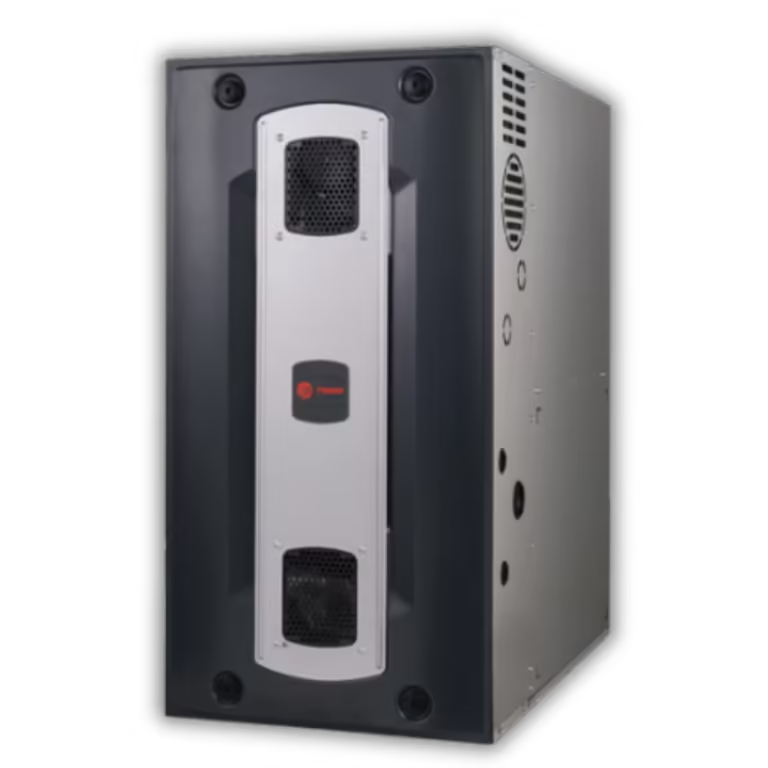
If you are trying to figure out whether you need a new furnace, what type to buy, what a proper installation should include, and how to avoid expensive regrets, this guide will walk you through it in plain English.
Why furnace installation matters more than most homeowners realize
People often shop for the brand name first. Brand matters some, sure, but installation quality matters more than most marketing would have you believe.
I have walked into homes with high-end equipment that short-cycled, rattled, heated unevenly, and burned more gas than expected, all because the system was oversized, the venting was wrong, or the ductwork was ignored. I have also seen modestly priced furnaces run quietly and efficiently for years because the contractor took the time to size the system correctly, seal the ducts, and set up airflow properly.
A furnace is not just a box that blows hot air. It is one part of a larger heating system. The equipment, ductwork, thermostat, filter setup, gas piping, flue or venting, condensate drain on high-efficiency units, and electrical connections all have to work together. Good Heating Services look at the whole picture. Bad ones swap the box and leave the underlying problems behind.
That is why HVAC Installation should never be treated like a simple appliance drop-in.
The moment when repair stops making sense
Homeowners often ask the same question first: should I repair the old furnace or replace it?
There is no single rule that fits every case, but there is a point where Furnace Repair turns into money thrown at a machine that is already on its way out. Age matters, but condition matters more. A well-maintained furnace can last 15 to 20 years, sometimes a little more. Once a unit pushes into the later part of that range, repairs get harder to justify, especially if the heat exchanger, blower motor, inducer motor, or control board starts failing.
If your furnace is 18 years old and needs a minor igniter, that might still be worth fixing. If it is 18 years old, rusting inside, struggling to keep up, and now needs a major part plus labor, replacement deserves serious consideration.
Here are a few signs replacement usually makes more sense than another repair:
- Your furnace needs frequent service calls, especially for different parts.
- Energy bills have climbed even though your usage has not changed much.
- Rooms heat unevenly and the system runs longer than it used to.
- The furnace is near or past the typical life span and a major component has failed.
- You are planning to stay in the home long enough to benefit from better efficiency and reliability.
One repair by itself does not mean the furnace is done. A pattern of repairs usually does.
Picking the right furnace starts with sizing, not features
This is where a lot of installations go wrong.
Many homeowners assume bigger means better. It does not. An oversized furnace heats the house too quickly, shuts off, then starts again soon after. That is called short cycling. It sounds harmless, but it leads to temperature swings, extra wear on components, louder operation, and lower efficiency in real life.
An undersized furnace has the opposite problem. It may run constantly during very cold weather and still struggle to keep indoor temperatures comfortable.
Proper sizing comes from a load calculation, not from guessing based on square footage alone. A contractor should consider insulation levels, window quality, air leakage, ceiling height, local climate, orientation to the sun, and duct design. Two houses with the same square footage can need very different furnace capacities.
I once saw two neighboring homes built by the same developer, with nearly identical layouts, end up needing different system recommendations because one had updated attic insulation, newer windows, and a finished basement that changed the heating load.
That is why a serious HVAC Installation contractor does the math. If someone glances at your old furnace size and says, “We will just put in the same thing,” that is not a great sign.
Understanding efficiency without getting lost in jargon
Furnace efficiency is usually expressed as AFUE, which stands for Annual Fuel Utilization Efficiency. A furnace rated at 80 percent AFUE turns about 80 percent of its fuel into usable heat, with the rest lost through exhaust. A 95 percent or higher model wastes much less.
Higher efficiency usually means lower heating bills, but it also means a more complex install. High-efficiency furnaces need special venting, usually through PVC pipe, and they produce condensate that must drain properly. They cost more upfront, but in colder climates or in homes with high heating demand, the savings can add up over time.
The right choice depends on your climate, budget, energy costs, and how long you plan to stay in the house. In some homes, an 80 percent furnace may be the practical fit. In others, going high efficiency makes obvious financial sense.
Features also matter. Single-stage furnaces are the simplest. They are either on or off. Two-stage models can run at a lower setting much of the time, which helps with comfort and often reduces noise. Variable-speed blowers add another layer of comfort by adjusting airflow more smoothly. If you have ever lived with a system that blasts hot air loudly, then goes quiet, then repeats all night, you can appreciate what better airflow control feels like.
The ductwork question homeowners forget to ask
A new furnace can only deliver heat through the duct system it is connected to. If the ductwork leaks, is undersized, poorly balanced, or filthy with debris and construction leftovers, the new furnace will not perform the way you hope.
This gets overlooked all the time. People invest in Furnace Installation and never hear a serious conversation about the ducts. Then they wonder why the back bedroom is still cold or why the upstairs gets stuffy.
A good installer should inspect the supply and return ducts, check static pressure, and talk honestly about whether the existing duct system can support the new equipment. Sometimes the answer is yes. Sometimes it needs sealing, resizing, added returns, or damper adjustments.
Duct issues are not glamorous, but they are often where comfort problems live.
Fuel type, venting, and other practical realities
Most furnaces in the United States run on natural gas, but not every home has the same setup. Some use propane. A smaller number use oil or electric heat, though electric furnaces are a different category in both operating cost and installation details.
Fuel availability affects your options. So does your current venting arrangement. If you are replacing an older standard-efficiency furnace with a high-efficiency condensing model, the venting route may need to change. That can affect labor, materials, and where pipes exit the house. In finished basements or tight utility Furnace Installation A/C Man Heating and Air closets, these details matter.
Gas piping also has to be checked. If the new furnace has different input requirements, the line size and pressure must be appropriate. Electrical service needs to be safe and up to code. The condensate drain needs a proper path. The filter rack should seal properly so air is not bypassing the filter and carrying dust into the blower and coil.
These are not upsells. They are part of doing the job correctly.
What happens during a typical furnace installation
Homeowners are often surprised by how much goes into a professional replacement. A straightforward swap can still take much of the day. More complex jobs can take longer, especially if venting, duct transitions, gas piping, or electrical work need changes.
First, the old unit is disconnected and removed. That sounds simple until you factor in cramped basements, narrow stairs, and units that have been sitting in place for 20 years. After that, the new furnace is set, leveled, and connected to the plenum and duct transitions. Gas and electrical connections are made, venting is installed or adapted, and drains are run if needed.
Then comes the part that separates careful work from rushed work: startup and testing. The installer should check manifold gas pressure, temperature rise across the furnace, blower speed settings, safety controls, thermostat operation, and airflow. If the unit is high efficiency, they should also confirm condensate drainage and venting integrity.
That final setup matters. Furnaces are not plug-and-play in the way many people assume.
The role of permits and inspections
Nobody gets excited about permits, but they exist for a reason.
A furnace involves combustion, fuel, venting, electricity, and code requirements. A permit helps ensure that the installation meets local standards and gives you a record of legitimate work. In many places, skipping permits can create problems later during a home sale or insurance claim.
If a contractor suggests avoiding permits to save money, that should raise your eyebrows. Reputable Heating Services usually handle this process for you and explain what local inspections are required.
An inspection does not guarantee perfection, but it adds another layer of accountability. That is a good thing when fuel-burning equipment is involved.
How to choose the contractor, because this matters as much as the furnace
Homeowners tend to compare equipment and prices, but the installer deserves just as much attention. The best furnace on paper can become a headache if the contractor rushes the job, delegates it to undertrained labor, or disappears when adjustments are needed.
When you talk to companies, pay attention to how they evaluate your home. Do they ask about comfort issues? Do they inspect the ductwork? Do they discuss sizing? Do they explain efficiency options without pushing the most expensive model by default? Do they talk about warranties, labor coverage, and ongoing maintenance in clear terms?
These questions usually tell you more than a glossy brochure.
Ask a contractor these before signing anything:
- How are you determining the correct furnace size for my home?
- Will you inspect and evaluate my ductwork as part of the quote?
- What permits are required, and who handles them?
- What warranty covers the equipment, and what warranty covers labor?
- What testing and setup do you perform after installation?
A vague answer is often more revealing than a wrong one.
What furnace installation usually costs
Prices vary a lot by region, home layout, efficiency level, and the amount of related work needed. A simple replacement is one thing. A replacement that includes venting changes, duct modifications, upgraded filtration, thermostat wiring, and code corrections is another.
That is why wildly low quotes can be risky. Sometimes they are low because the company is efficient and fair. Often, they are low because important items have been left out. Then the change orders begin.
Instead of asking only, “What is the cheapest furnace installation?” ask, “What is included, what assumptions is this quote making, and what conditions could increase the cost?” That is a much better way to compare proposals.
If a company is significantly more expensive, ask why. Sometimes the answer is just overhead. Sometimes it is because they are addressing things others ignored, like return air issues, venting upgrades, drain protections, or transition fittings that take extra labor but improve long-term performance.
Common mistakes that lead to comfort problems later
I have seen the same problems show up again and again after a new install.
Oversizing is near the top of the list. It causes short cycling, noise, and uneven heat. Poor duct transitions are another. When installers force mismatched duct connections together with little regard for airflow, the furnace may technically work but never feel right. Skipping combustion setup and airflow adjustments is another frequent mistake. The system runs, but not the way it should.
Filtration also gets mishandled. A high-MERV filter sounds great until it chokes airflow in a system not designed for it. Then you get noise, strain, and sometimes overheating. Thermostat location can matter too. If it sits in a drafty hallway or near a supply register, the furnace may cycle based on a misleading temperature reading.
A lot of post-install service calls are not equipment defects. They are setup issues.
Should you replace the air conditioner at the same time?
Sometimes yes, sometimes no.
If your furnace shares a blower and indoor coil setup with an older air conditioning system, it can make sense to coordinate replacement, especially if the AC is already near the end of its life. Bundling the work can reduce repeated labor and may avoid compatibility headaches later.
But if the AC is relatively new and in good shape, replacing only the furnace may be perfectly reasonable. The key is making sure the components work well together and that airflow requirements are properly addressed.
This is another place where an honest HVAC Installation professional should explain trade-offs instead of forcing a package sale.
Preparing your home before installation day
There is not much you need to do, but a little prep helps. Clear a path to the work area. Move storage boxes, paint cans, holiday bins, or laundry items out of the way if your furnace is in a basement, closet, or garage. Secure pets. If you have concerns about dust, ask the installer what to expect and whether any cutting or duct modifications are planned.
It also helps to mention any comfort issues ahead of time. If one room has always been cold, if the system has been noisy, or if the upstairs overheats, say so before the job starts. Those clues can shape how the contractor approaches airflow and balancing.
Installation day is not the time to assume they will somehow notice every long-standing issue on their own.
What maintenance looks like after the new furnace is in
A new furnace still needs attention. Not constant attention, but regular, boring, useful attention.
Change the filter on schedule. The right interval depends on the filter type, house dust levels, pets, and how much the system runs. Check the vent terminations outside if you have a high-efficiency unit, especially after heavy snow or wind-driven debris. Keep the area around the furnace clean and accessible. Schedule periodic professional maintenance so the burner, blower, safety controls, and drain system can be checked.
Routine service is not just about preventing breakdowns. It also catches small issues before they turn into emergency Furnace Repair calls on the coldest night of the year, which is the exact moment furnaces seem to prefer failing.
A few final realities worth knowing
A new furnace will not fix every comfort problem in a house. If you have major insulation gaps, leaky windows, unsealed attic bypasses, or badly designed ductwork, some issues may remain until those are addressed. The furnace is important, but it is part of the house, not separate from it.
Noise expectations also matter. Newer systems can be quieter, especially two-stage and variable-speed models, but no forced-air furnace is completely silent. You will still hear airflow and startup sounds. The goal is smooth, reasonable operation, not total invisibility.
And while smart thermostats are useful, they are not magic. A great thermostat cannot compensate for bad sizing, poor airflow, or careless installation.
The best furnace installation is the one you stop thinking about
That is really the goal.
You want a system that starts when it should, heats the house evenly, keeps the utility bills predictable, and does not make you nervous every time the forecast turns ugly. You want the kind of installation that disappears into the background of daily life, because that usually means it was done right.
If you take anything from this guide, let it be this: do not shop for Furnace Installation like you are buying a toaster. Focus on sizing, ductwork, venting, setup, and the quality of the contractor doing the work. Ask questions. Compare more than price. Expect real explanations.
When homeowners make a careful decision up front, they usually end up with fewer repairs, better comfort, and a heating system that earns its keep for years. That is what good Heating Services are supposed to deliver.
❧